


Choosing the right filament for your 3D printer is crucial to achieving the best results. There are several types of filament, each with their own unique advantages and disadvantages. Here is a quick guide to the most popular filaments and what we recommend for beginners.
In short: We recommend that you start with our PLA-ST from CCTREE. It is super easy to print with and does not require much experience. Stay far away from ABS and PETG as a beginner , as they can be much more challenging to print with. Most people do not need the increased impact strength that ABS and PETG provide. Therefore, we always recommend that beginners use PLA.
PLA (Polylactic Acid)
 PLA is the most user-friendly filament, ideal for beginners due to its low printing temperature and minimal risk of warping. It is biodegradable and popular for hobby projects and decorative prints. However, PLA has low heat resistance and can become brittle, making it less suitable for functional parts that are exposed to stress or sunlight for extended periods of time.
PLA-ST (Reinforced PLA)

PLA-ST is an improved version of PLA with increased strength and durability while maintaining easy printability. It is a good choice for projects that require a little more robustness than regular PLA.
For small models, test prints or similar, we recommend printing in PLA-ST for easy and cheap printing.

PETG (Polyethylene Terephthalate Glycol)
:format(webp)/https://fbi.cults3d.com/uploaders/17737486/illustration-file/912bb1c8-c249-4a11-af1c-a797346a78da/IMG_20250216_142218815.jpg) PETG combines the best of PLA and ABS. It is stronger and more flexible than PLA, while being easier to print with than ABS. It has good heat resistance and resistance to chemicals, making it ideal for outdoor use.
PETG combines the best of PLA and ABS. It is stronger and more flexible than PLA, while being easier to print with than ABS. It has good heat resistance and resistance to chemicals, making it ideal for outdoor use.
ABS (Acrylonitrile Butadiene Styrene)
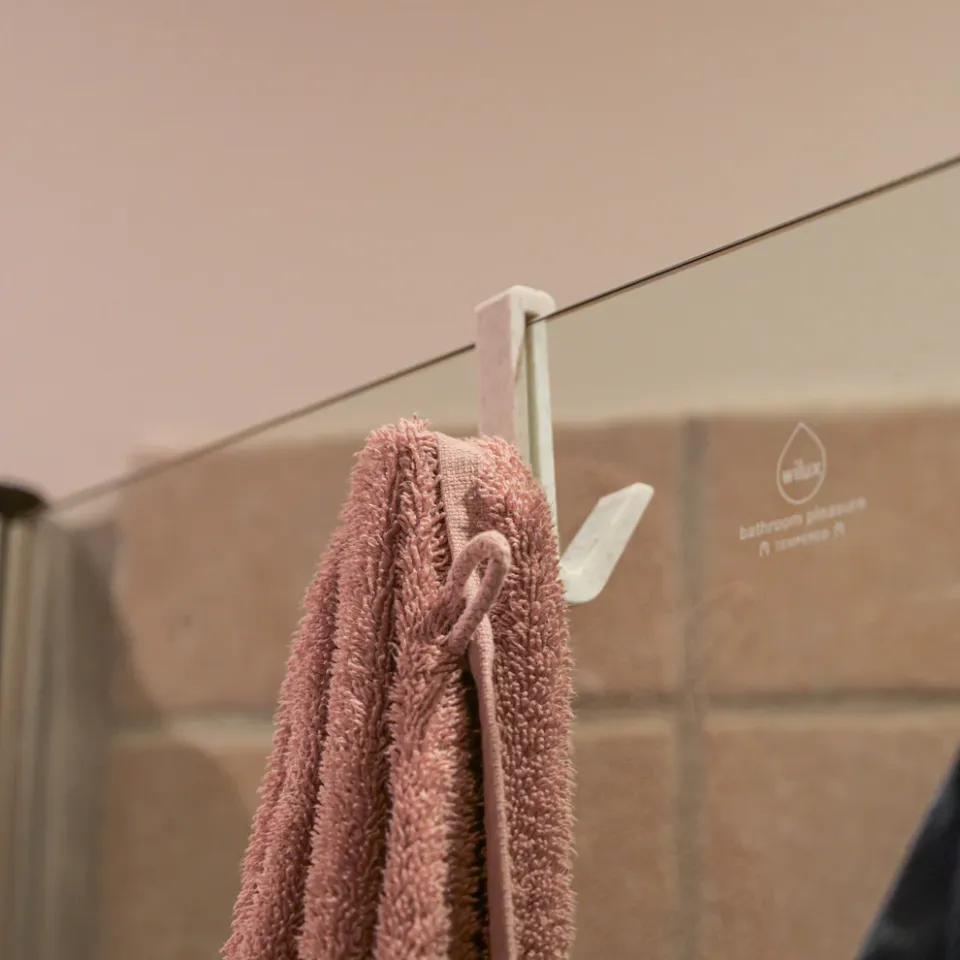
ABS is known for its durability, heat resistance, and impact strength, making it an excellent choice for functional and mechanical parts. It is often used in automotive parts and toys like LEGO bricks.
ABS is incredibly strong and can withstand moisture without any problems, making it ideal for humid areas such as a bathroom.

TPU (Thermoplastic Polyurethane)


Summary The choice of filament depends on your specific needs and experience with 3D printing.
Start with PLA or PLA-ST for easy and fast printing with good detail.
Choose PETG for stronger and more flexible parts with better heat resistance.
Choose TPU for flexible and stretchy prints if you are comfortable with more complex print settings.
By understanding the advantages and disadvantages of the different filaments, you can make the best choice for your 3D printing projects and ensure optimal results. If you have any questions, you can always contact us by email or via our chat function.