


 BUY NOW AND GET FREE SHIPPING
On all orders over 500,- (DK only)
BUY NOW AND GET FREE SHIPPING
On all orders over 500,- (DK only)
 1-2 DELIVERY DAYS
Order before 12 noon and we will ship the same business day
1-2 DELIVERY DAYS
Order before 12 noon and we will ship the same business day
 14 DAY RETURN RIGHT


Couldn't load pickup availability
20+ in stock : 1-2 weekdays


Free shipping on orders over 500 DKK in DK

Ships from Roskilde DK

Local service center in Roskilde

1 year warranty

Customer Service
Email: hello@3dsaga.com
Phone: +45 69 15 31 11
All weekdays from 10:00 - 15:00
Showroom:
Monday - Thursday: 09:30 – 15:30
Friday: 09:30 – 15:00


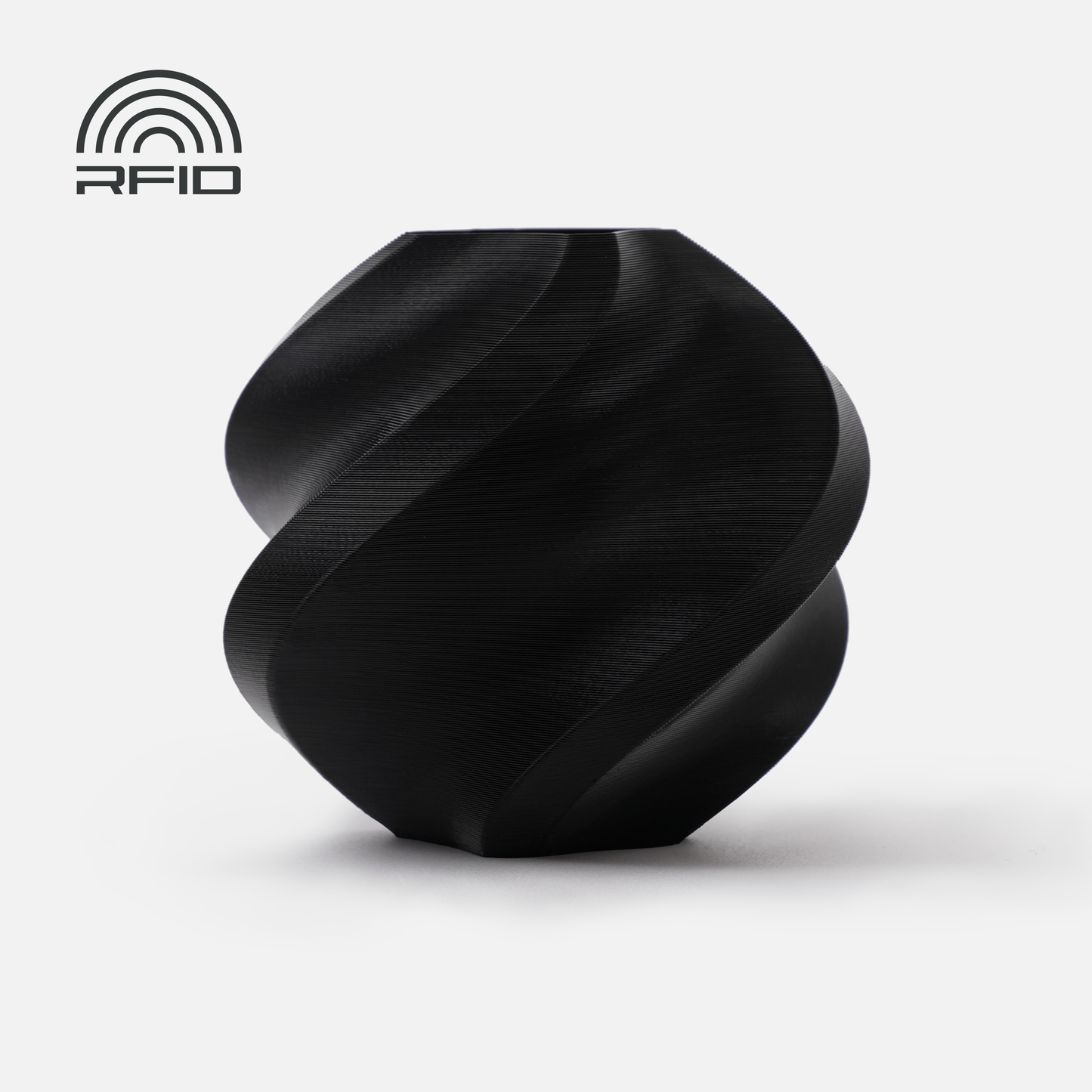
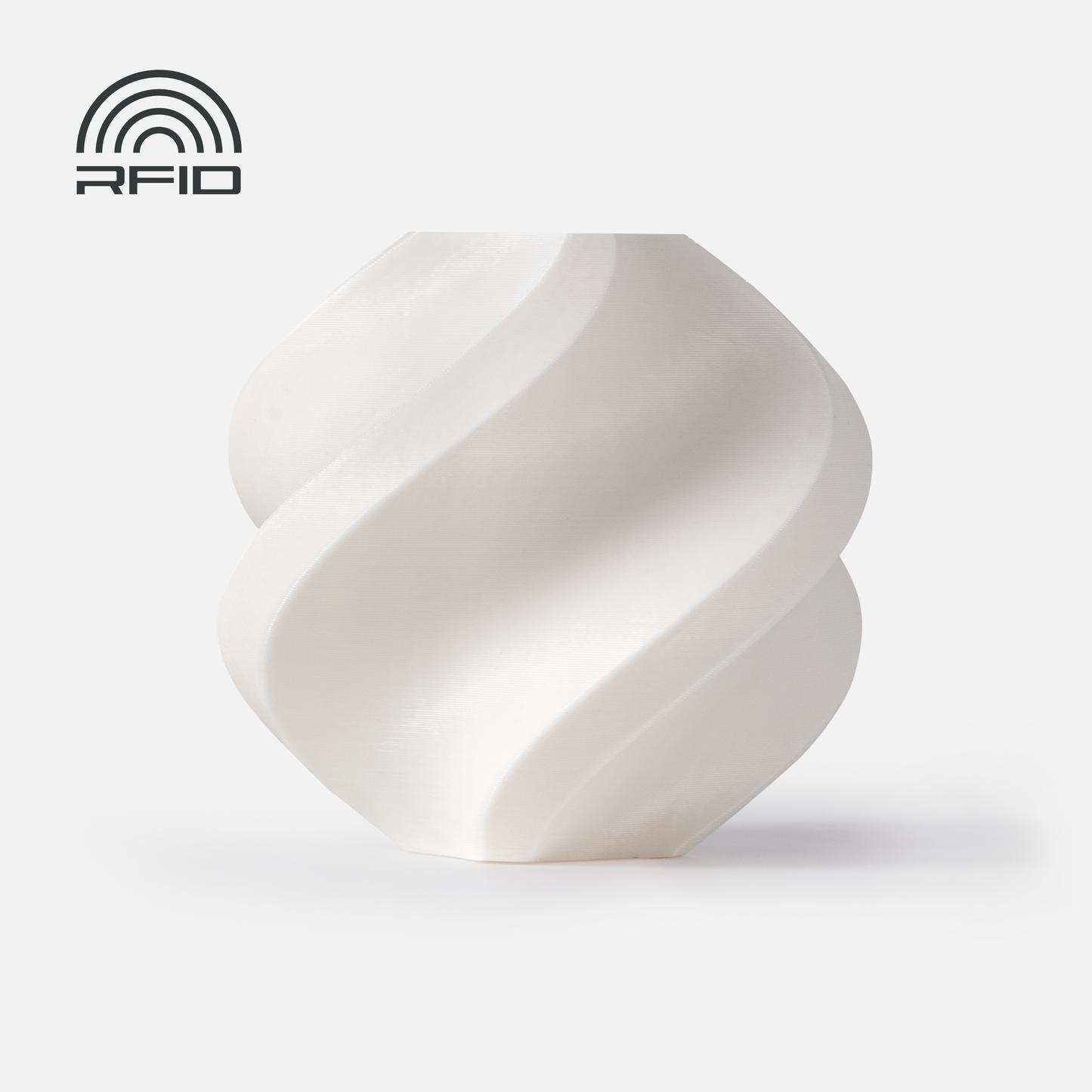


Bambu Lab ABS Refill (without coil)
1.75mm 1kg - without spool
- Robust and durable
- Good heat and frost resistance
- Comes with reusable high temperature coil
- Diameter: 1.75mm ± 0.03mm
Compatibility:
- Compatible with AMS
Not compatible with AMS Lite
Cabinet printer required
Bamboo ABS
Bambu ABS is a reliable 3D printing material, known for its exceptional stability, durability and high impact strength. In addition, this filament also has excellent heat resistance, making it ideal for projects involving moderate temperatures. With its versatile properties, Bambu ABS filament is an excellent choice for a wide range of 3D printing applications.
Strong and durable
As one of the most widely used filaments, Bambu ABS has excellent mechanical properties that make it stronger than regular PLA and PETG. It is ideal for manufacturing functional parts, prototypes and standard engineering components, ensuring long life and high reliability.


Impressive heat resistance
Bambu ABS filament offers exceptional heat resistance (heat dissipation temperature: 87°C) combined with excellent mechanical properties, making it an excellent choice for everyday, functional parts that require high temperature resistance.

Water-repellent
With excellent water-repellent properties, Bambu ABS ensures relatively long-lasting durability, even when used in humid or wet environments.

Robust with high impact strength
Bambu ABS is exceptionally strong, and prints made with this material can withstand repeated impacts, collisions, and drops. It exhibits good impact resistance even at low temperatures.
Accessory compatibility
| Recommended | Not recommended |
|---|---|
| Building board | Smooth PEI sheet, Textured PEI sheet |
| Hotend | All sizes / materials |
| Glue | Bamboo Liquid Glue |
ABS Hex Code Table
| Color | Hex Code | Display |
| Olive | #789D4A | |
| Tangerine Yellow | #FFC72C | |
| Azure | #489FDF | |
| Navy Blue | #0C2340 | |
| White | #FFFFFF | |
| Silver | #87909A | |
| Save | #D32941 | |
| Orange | #FF6A13 | |
| Bamboo Green | #00AE42 | |
| Blue | #0A2CA5 | |
| Purple | #AF1685 | |
| Black | #000000 |
RFID for intelligent printing
All printing parameters are embedded in the RFID chip, which can be read via our AMS (Automatic Material System).
Just load and print! No more cumbersome setup procedures.
Recommended print settings
Drying settings (fan oven): 80 °C, 8 hours
Humidity during printing and storage: < 20% RH (sealed, with desiccant)
Nozzle temperature: 240 – 270 °C
Bed temperature (with glue): 80 – 100 °C
Printing speed: < 300 mm/s
Physical properties
| Property | Value |
|---|---|
| Density | 1.05 g/cm³ |
| Vicat softening temperature | 94 °C |
| Heat deflection temperature | 87 °C |
| Melting temperature | 200°C |
| Melting index | 34.2 ± 3.8 g/10 min |
Mechanical properties
| Property | Value |
|---|---|
| Tensile strength | 33 ± 3 MPa |
| Fracture elasticity (elongation at break) | 10.5 ± 1.0% |
| Flexural modulus | 1880 ± 110 MPa |
| Bending strength | 62 ± 4 MPa |
| Impact strength | 39 ± 3.6 kJ/m² |
Printing tips
• During printing, a pungent and unpleasant odor may be released. Make sure your printer is in a well-ventilated area .
• Drying conditions: 80°C for 8 hours. Store the filament in a dry environment after use. Dry it again before use if the material has absorbed moisture.
For more details, see: Filament drying guide on WIKI .
• ABS has a tendency to warp when printing models with large size and/or high infill density.
To avoid this:
-
It is not recommended to print excessively large models or models with high infill density.
-
Use a printer with an enclosure and make sure the build plate is properly glued before starting printing.
-
Set lower print speed and higher heatbed temperature .
For more details, see: Common Print Quality Problems and Solutions on WIKI .